OUR SERVICES
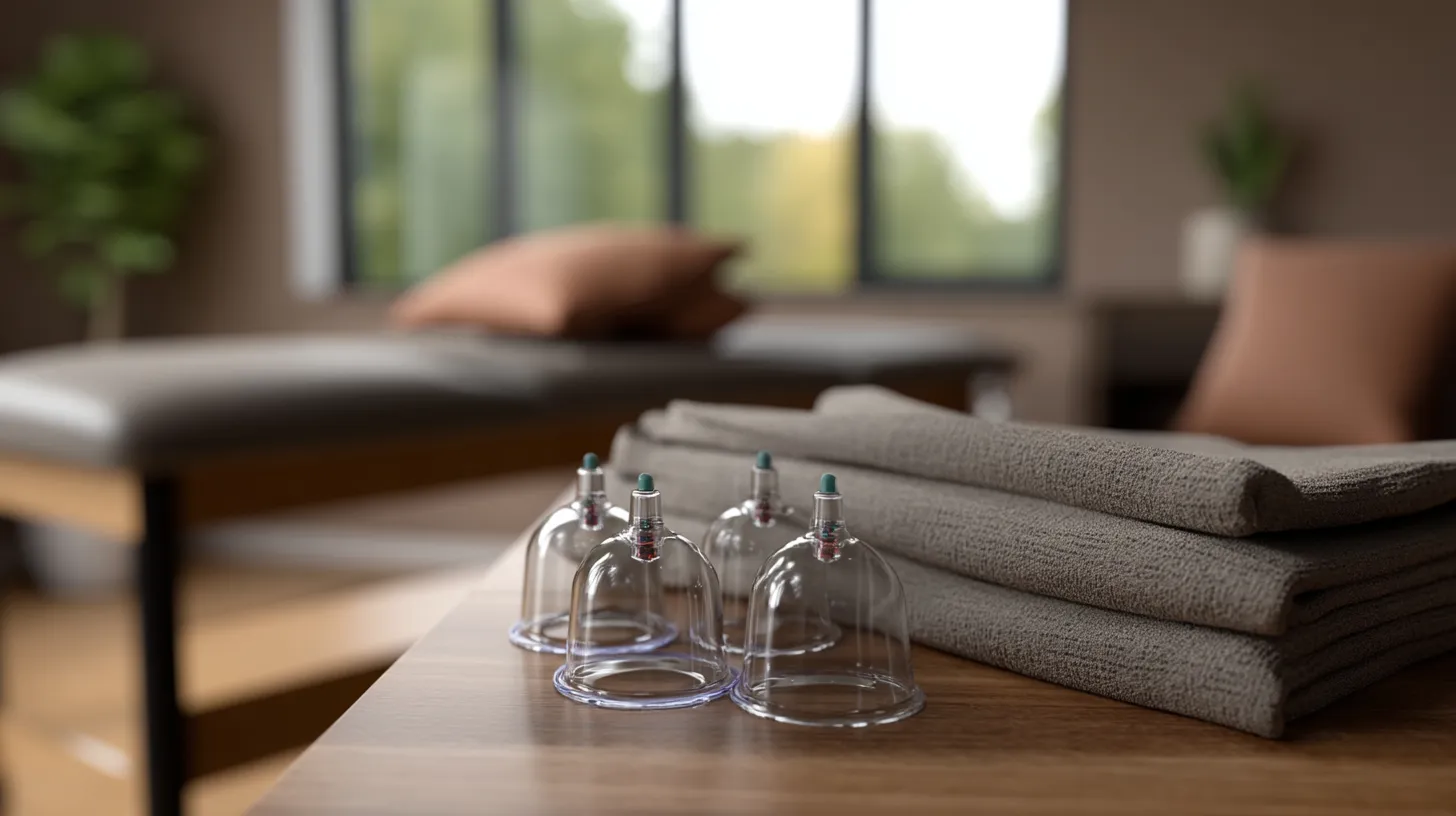

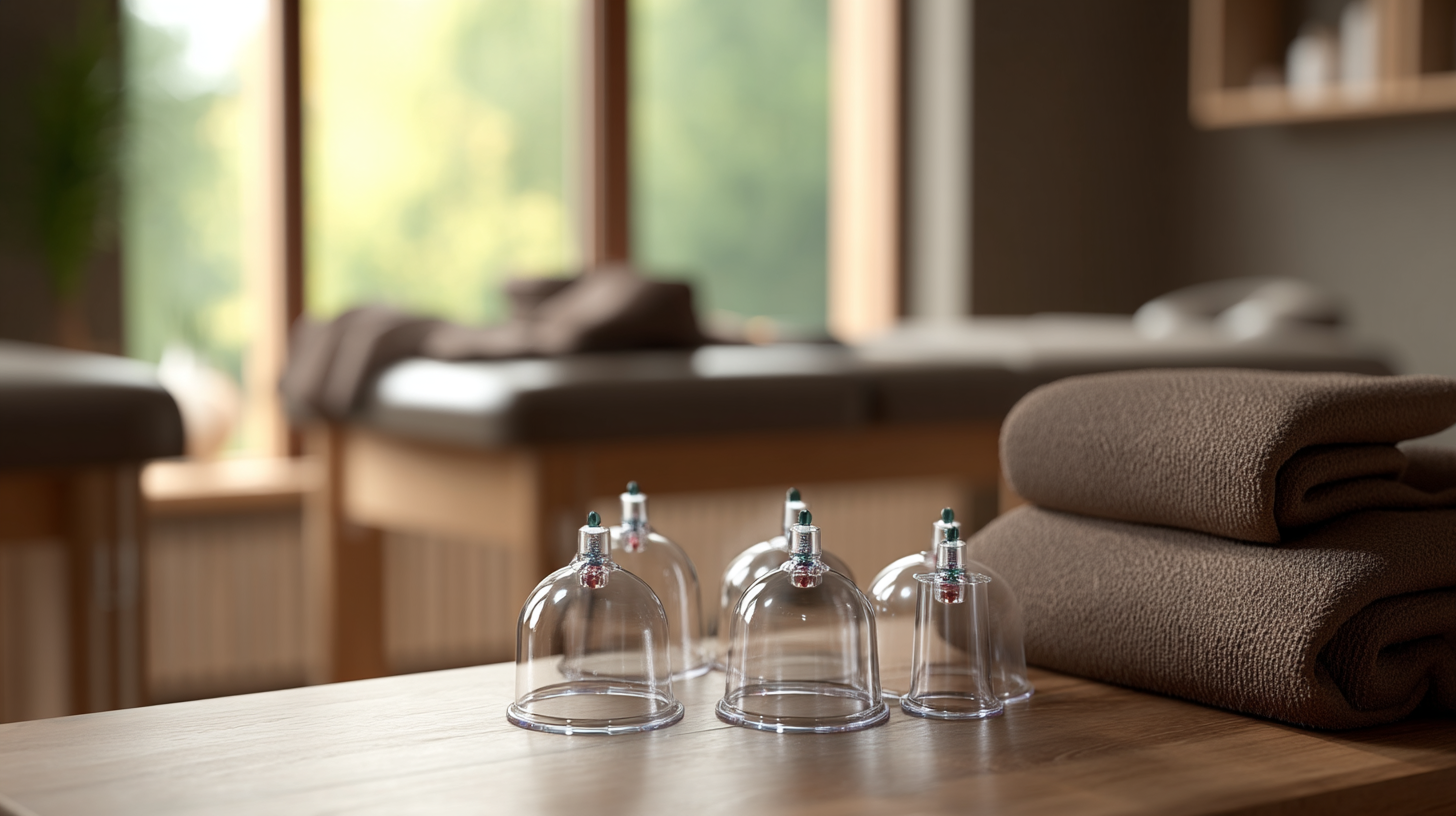
Cupping therapy in Caledon focused on relieving muscle tension, supporting recovery, and improving movement. Every treatment begins with a clinical assessment and is tailored to your symptoms, activity level, and long-term recovery goals.


Cupping therapy in Caledon focused on relieving muscle tension, supporting recovery, and improving movement. Every treatment begins with a clinical assessment and is tailored to your symptoms, activity level, and long-term recovery goals.

Our team provides chiropractic care, registered massage therapy, acupuncture, and rehabilitation-focused for patients dealing with spinal pain, muscular tension, injury recovery, postural strain, and mobility limitations. Treatment plans are designed around the individual, combining hands-on care with practical recovery strategies tailored to everyday movement, work demands, and long-term physical health.

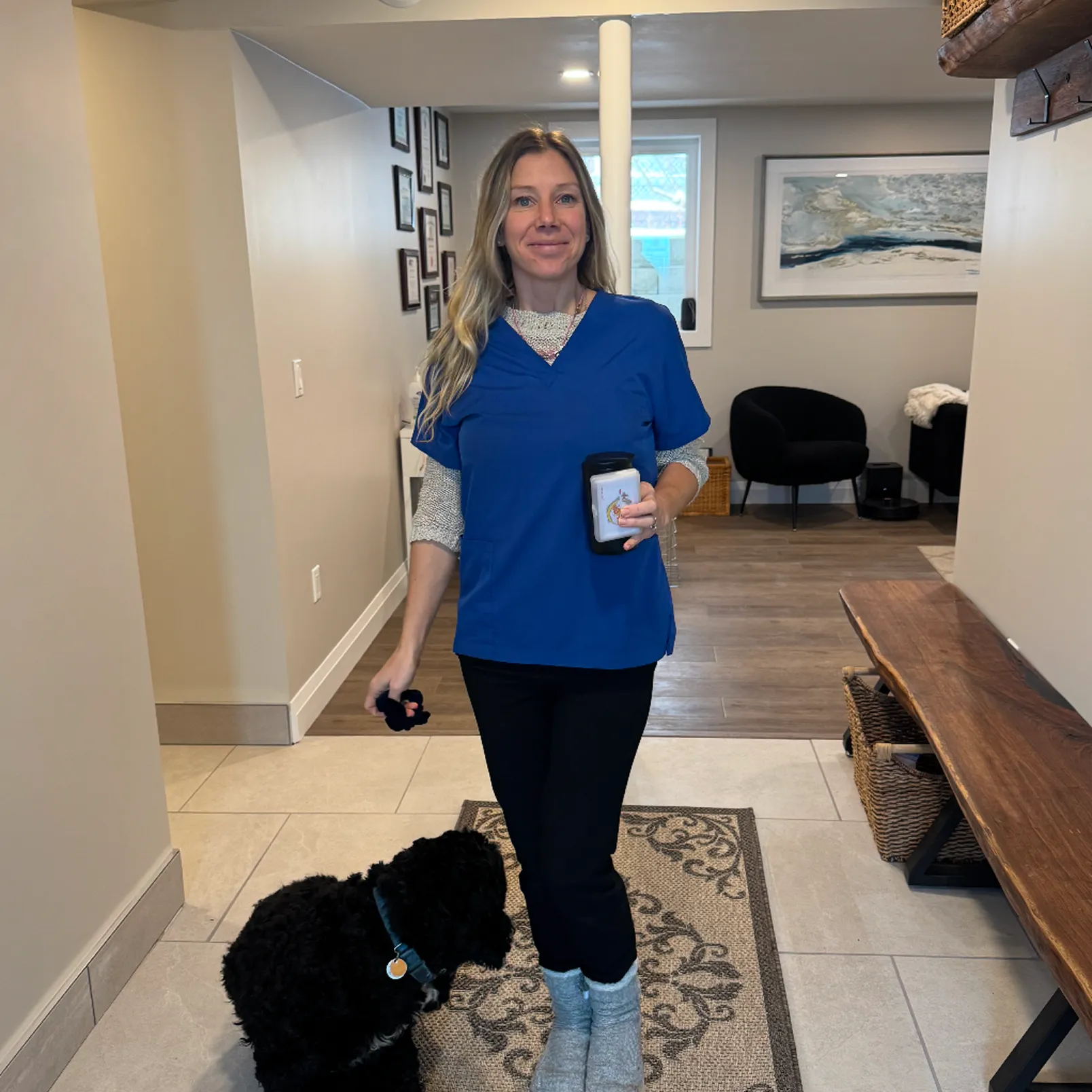
Dr. Elizabeth Juchniewicz is a chiropractor providing evidence-informed care focused on reducing pain, improving mobility, and supporting long-term physical function. After completing an Honours Bachelor of Science degree at McMaster University, she earned her Doctor of Chiropractic degree in 2011 and has since helped patients manage spinal pain, muscular tension, posture-related strain, mobility restrictions, and movement-related injuries affecting everyday life.
Her treatment approach is assessment-driven and tailored to each patient’s condition, lifestyle, and recovery goals. Dr. Juchniewicz commonly works with patients experiencing back pain, neck pain, sciatica, headaches, sports injuries, repetitive strain, and physical discomfort related to work, posture, or reduced mobility.
Treatment may include chiropractic adjustments, rehabilitation exercises, mobility-focused therapy, acupuncture, and supportive recovery strategies designed to improve movement quality and reduce recurring physical stress. Her focus is not only on short-term symptom relief, but also on helping patients improve long-term movement patterns and physical resilience through personalized chiropractic care.
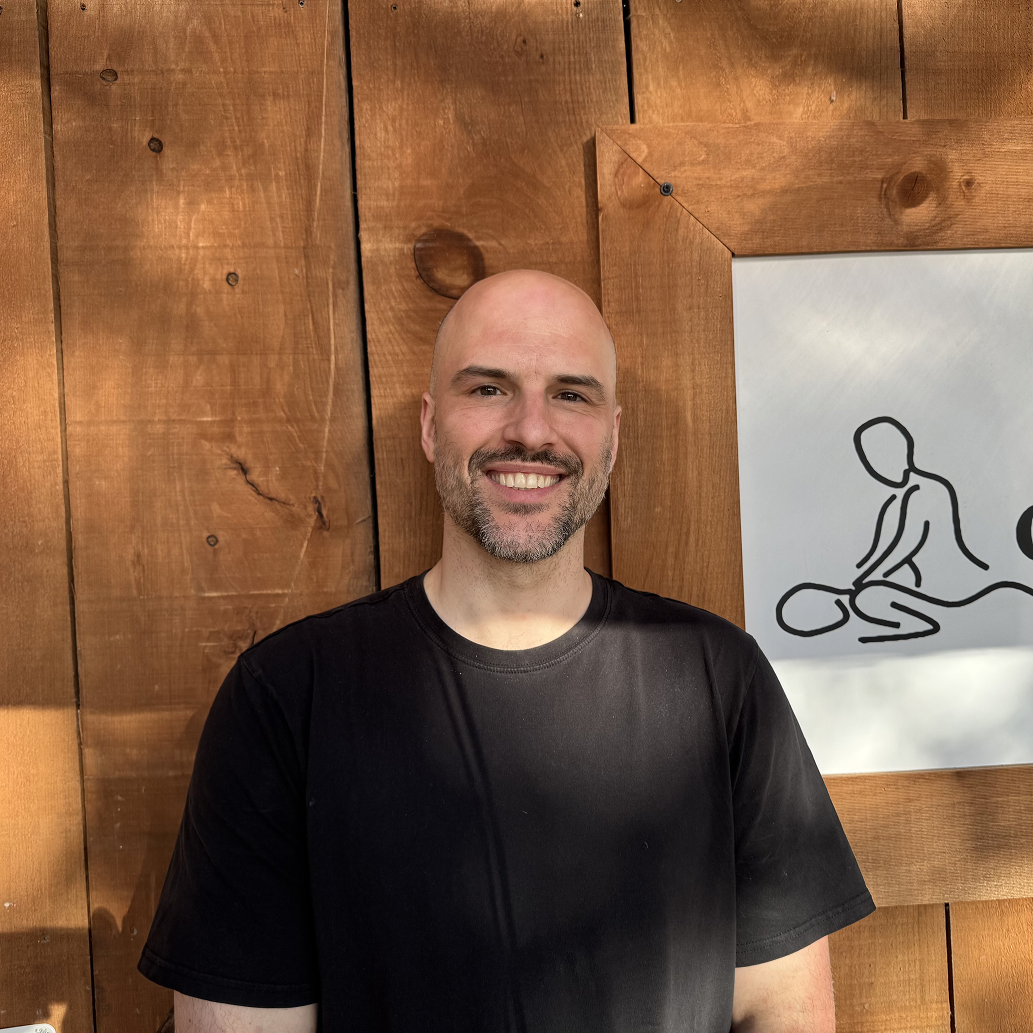
Aras Petrauskas is a Registered Massage Therapist specializing in rehabilitation-focused treatment, acupuncture, chronic pain management, sports injury recovery, movement dysfunction, and concussion rehabilitation. In practice since 2012, he has developed an assessment-driven treatment approach focused on improving movement quality, reducing pain, and addressing the underlying muscular and mechanical factors contributing to recurring discomfort and physical dysfunction.
At Caledon Chiropractic, optimal performance and long-term injury prevention begin with understanding how your body moves. Using a systematic movement assessment framework, we evaluate joint function and movement quality across the upper body, lower body, and spine, identifying compensations and deficiencies before they become pain or injury.
From there, targeted corrective patterning strategies are applied to restore movement competency joint by joint, rebuilding the foundation your body needs to perform and recover at its highest level. This service is ideal for athletes looking to optimize performance, individuals managing recurring or overuse injuries, and anyone seeking a proactive approach to their long-term musculoskeletal health.
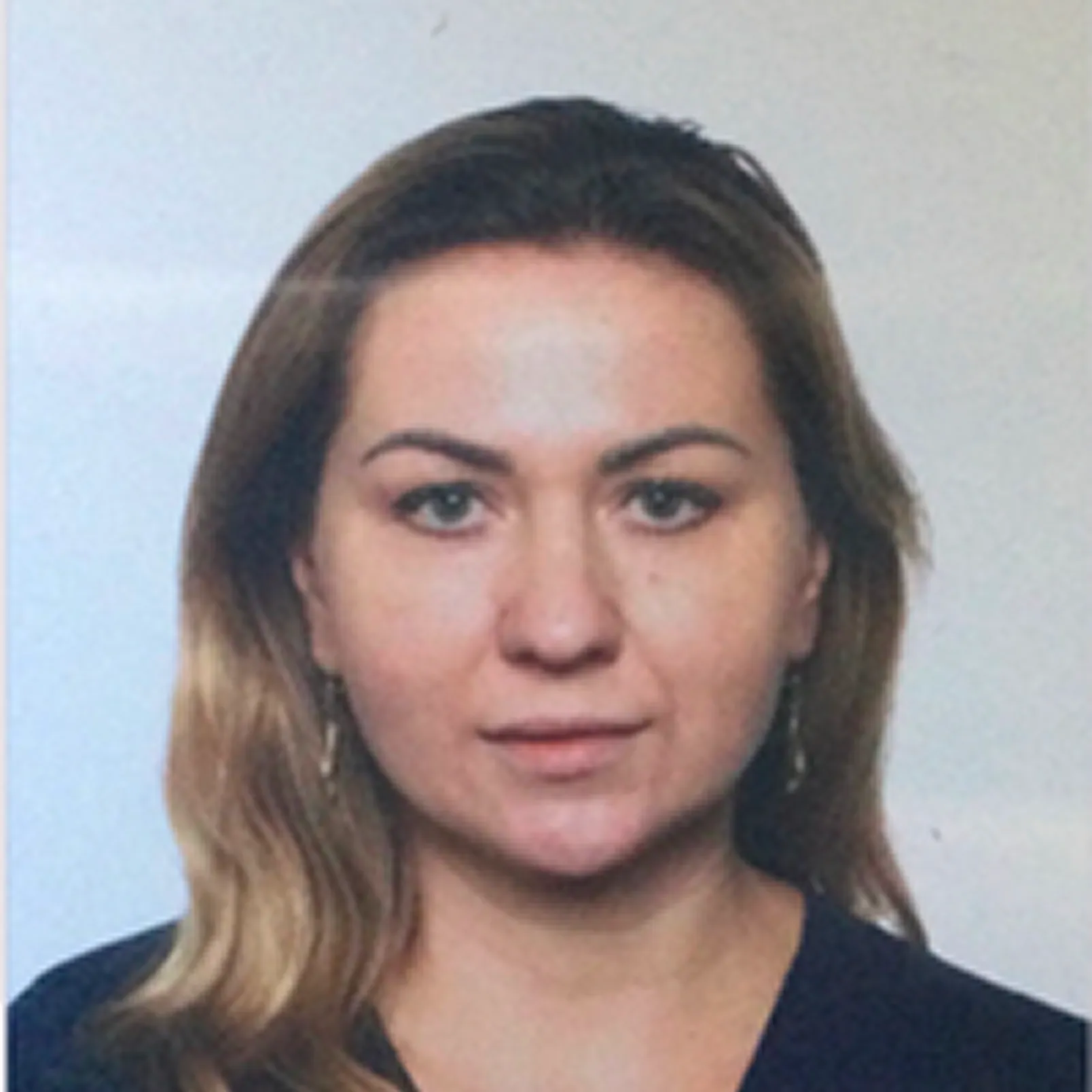
Anna Szustak is a Registered Massage Therapist focused on helping patients reduce muscular tension, improve mobility, and support physical recovery through personalized massage therapy treatment. Originally trained in physiotherapy in Poland, she has years of experience working in healthcare environments helping individuals manage a wide range of physical conditions, mobility challenges, and rehabilitation needs.
After becoming registered as a massage therapist in Ontario in 2022, Anna continued developing a treatment approach centered around safe, effective, and patient-focused care tailored to each individual’s goals, comfort level, and physical condition. Her treatments may include Swedish massage, deep tissue therapy, stretching-based treatment, prenatal massage, and soft tissue techniques designed to reduce tension, improve circulation, and support recovery from physical stress and repetitive strain.
Anna commonly works with patients experiencing postural tension, muscular tightness, stress-related discomfort, workplace strain, mobility restrictions, and soft tissue dysfunction affecting everyday movement and comfort. Her calm and individualized approach focuses on helping patients move more comfortably while supporting long-term physical well-being and recovery.
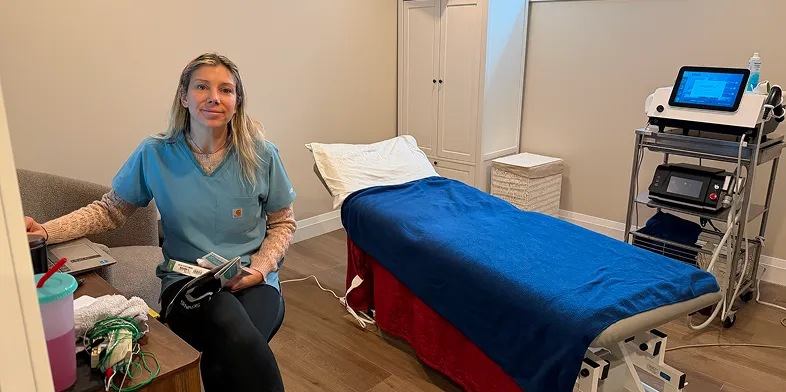
Cupping therapy at our Caledon clinic is commonly used to help reduce muscle tension, improve mobility, and support recovery from back pain, neck tension, sports-related strain, postural stress, and soft tissue restrictions. Following a clinical assessment, treatment is tailored to your symptoms, activity level, and recovery goals, and may be integrated with chiropractic care, massage therapy, acupuncture, or rehabilitation-focused treatment. Patients visit us from Caledon, Bolton, Orangeville, Brampton, and surrounding GTA communities seeking personalized, recovery-focused care.

Back pain is one of the most common reasons patients seek cupping therapy in Caledon. It may develop from prolonged sitting, workplace strain, lifting demands, sports activity, or chronic muscular tension. Whether discomfort is recent or ongoing, identifying the soft tissue and movement-related factors involved is important for effective relief.
Back pain may be associated with muscular tightness, overuse, poor posture, repetitive workplace stress, reduced mobility, or compensation patterns that place excess strain on surrounding tissues. Prolonged sitting, physical work, and poor movement mechanics can all contribute to ongoing tension and restricted function.
Cupping therapy for back pain focuses on reducing muscular tension, improving local circulation, and supporting soft tissue recovery. Treatment may be used on its own or integrated with massage therapy, chiropractic care, or rehabilitation strategies depending on how your symptoms present and what your recovery requires.
Neck and shoulder tension can develop from desk work, device use, stress, repetitive activity, or postural strain. Tightness through the upper back, shoulders, and cervical region often contributes to stiffness, discomfort, and reduced range of motion.
Common contributing factors include prolonged sitting, forward head posture, muscular overuse, stress-related tension, and restricted soft tissue mobility through the upper back and shoulder girdle. These patterns can build over time and begin to affect comfort during daily movement.
Cupping therapy may help reduce tension through the neck, upper back, and shoulders by decompressing restricted tissue and supporting circulation to overloaded muscular areas. Treatment is tailored to the pattern of tension present and may be combined with massage or chiropractic care where appropriate.
Cupping therapy is often used to support athletic recovery following training, competition, repetitive loading, or soft tissue overuse. Whether you are recreationally active or training consistently, muscular recovery and movement quality play an important role in performance.
Athletes and active patients may experience muscle tightness, delayed recovery, restricted mobility, overuse-related soreness, and tension buildup in areas such as the back, shoulders, hips, and legs. Repetitive movement demands can create strain patterns that limit comfort and performance over time.
Cupping therapy may be used to reduce soft tissue restriction, improve circulation, and support post-activity recovery. Treatment is individualized based on your sport, training load, and problem areas, helping support better movement and more efficient recovery between sessions.
Many tension-related headaches are associated with tightness through the neck, upper back, and shoulders. Mechanical stress, postural strain, and muscular overload in these regions may contribute to recurring discomfort and tension patterns.
Muscular tightness through the upper trapezius, cervical region, and surrounding soft tissues may contribute to tension that builds gradually over the course of the day. Stress, prolonged screen time, poor posture, and repetitive strain are common contributing factors.
Cupping therapy may be used to reduce muscular tension in the upper back, neck, and shoulder region where headache-related tightness is often present. Care is based on your presentation and may be integrated into a broader treatment plan when additional support is needed.
Work-related strain often develops over time from repetitive tasks, prolonged sitting or standing, lifting demands, or physically demanding jobs. At our Caledon clinic, we assess how muscular tension, posture, and movement patterns may be contributing to pain or reduced function at work.
Work strain may affect the lower back, neck, shoulders, forearms, and surrounding soft tissues depending on your role. Desk work may contribute to posture-related tension and stiffness, while physical jobs may lead to repetitive overload, muscular guarding, and reduced mobility over time.
Cupping therapy may help reduce soft tissue tension, improve circulation to overloaded areas, and support recovery from repetitive muscular stress. Care may be used independently or alongside chiropractic, massage, or rehabilitation recommendations depending on the nature of the strain.
At our clinic, cupping therapy may be used as a standalone treatment or as part of a broader care plan. For many patients, the best results come from addressing muscular tension alongside joint mobility, movement quality, and recovery needs.
Depending on the assessment findings, cupping may be integrated with massage therapy, chiropractic care, mobility work, or recovery-based treatment planning. This allows care to be tailored more precisely to the patient’s symptoms, goals, and day-to-day physical demands.
Our approach to cupping therapy is clinical, personalized, and based on how your body is presenting at the time of treatment. Rather than applying the same treatment to every patient, care is selected based on tension patterns, recovery goals, and the broader plan for improvement.
We assess how muscular tension, overuse, circulation, and movement restrictions may be contributing to pain and reduced function. Treatment is tailored to support soft tissue recovery, improve mobility, and reduce strain through focused, individualized care.
Based in Caledon, our clinic supports patients from the surrounding Greater Toronto Area seeking cupping therapy for muscle tension, athletic recovery, back discomfort, neck tightness, and recovery-focused care.
Your first visit begins with a detailed assessment of muscular tension, movement restrictions, recovery needs, and treatment goals. We take time to understand your symptoms, physical demands, and overall care plan before recommending cupping therapy as a focused or integrated treatment approach.
Before treatment begins, your provider performs a detailed assessment to understand where muscular tension, restriction, or overload may be contributing to discomfort. Rather than focusing only on symptoms, the goal is to understand how soft tissue tension, movement patterns, and recovery demands are affecting function.
Your provider reviews your symptoms, treatment goals, activity level, previous injuries, and lifestyle demands. Understanding when tension developed, what aggravates it, and how it affects daily activity helps determine whether cupping therapy is appropriate on its own or as part of a broader treatment plan.
Once the assessment is complete, your provider determines how cupping therapy may best be used based on the location of tension, the pattern of restriction, and your overall goals. Clinical planning focuses on whether treatment should be localized, integrated, or part of a recovery-based care strategy.
Treatment planning considers muscular tightness, overuse patterns, sensitivity, mobility restrictions, and physical demands from work, exercise, or sport. This helps ensure care is both appropriate and targeted to the areas that need the most support.
Cupping therapy focuses on reducing muscular tension, supporting circulation, and improving soft tissue mobility in areas affected by restriction or overload. Treatment is personalized based on the patient’s symptoms, goals, and clinical findings.
Depending on the treatment plan, care may involve dry cupping, massage cupping, or integration with other therapies provided within the clinic. The goal is to address restricted tissue, reduce tension, and support better movement and recovery over time.
Effective cupping therapy includes not only treatment itself but also guidance around recovery, expected after-effects, and long-term soft tissue care. By improving awareness of strain patterns and supporting better movement, treatment can play a valuable role in broader recovery planning.
Patients may notice temporary cupping marks, mild soreness, or a sense of muscular release following treatment. Aftercare guidance may include hydration, light movement, and recommendations based on your care plan to support comfort and recovery in the hours and days after treatment.
Find answers to common questions about cupping therapy, what to expect at your appointment, and how treatment may help with tension, recovery, and everyday function.

Cupping therapy is a soft tissue treatment that uses suction to target areas of muscular tension and restriction. It may be used to help reduce tightness, support circulation, and improve mobility, either as a standalone treatment or as part of a broader care plan.
Cupping therapy may be used for muscular tension, back tightness, neck and shoulder discomfort, sports recovery, overuse-related strain, and soft tissue restriction that affects movement and recovery. Treatment is based on a clinical assessment of your symptoms and goals.
Your first visit typically begins with an assessment. Your provider will review your symptoms, activity level, treatment goals, and relevant history before recommending whether cupping therapy is appropriate and how it may fit into your care plan.
Cupping therapy is generally considered safe when provided by a regulated professional following appropriate assessment and clinical standards of practice. Treatment recommendations are based on your health history, symptoms, and whether cupping is appropriate for your situation.
Yes, temporary marks can be a normal after-effect of cupping therapy. These marks are commonly associated with the suction used during treatment and often fade over several days depending on the area treated and individual response.
A referral is usually not required to book cupping therapy in Ontario. Most patients contact the clinic directly when looking for support with muscular tension, recovery, or soft tissue treatment. Some insurance plans may have specific requirements, so it can help to check your coverage.
Yes, cupping therapy may be combined with massage therapy, chiropractic care, or other recovery-focused treatment approaches when clinically appropriate. Many patients benefit from integrated care that addresses both soft tissue tension and broader movement restrictions.
You can book a cupping therapy appointment by contacting the clinic through the website, phone, or booking system. New patients typically begin with an initial assessment so the provider can understand the condition and recommend the most appropriate care approach.
I highly recommend Elizabeth as a chiropractor. She is extremely knowledgeable, professional, and truly cares about her patients. From the very first visit, she took the time to listen, explain everything clearly, and create a treatment plan that really...
Elizabeth is fantastic, knowledgeable, attentive, and genuinely caring. She takes the time to understand your body, explains everything clearly, and makes you feel confident in your treatment. Highly recommend, especially for active people or injuries...
Ela is such a sweet and welcoming person. She took care of my shoulder injury, and every time I leave her clinic, I would always feel better. She’s always improving and upgrading her machines, and she takes the time to explain everything so well, always asking...
Dr Elizabeth is a very professional caring chiropractor. Before my visit to her i firmly believed chiropractors were quacks. I have seen her for multiple reasons (chronic pain) and always leave feeling much better than when I arrived...
Dr.Elizabeth is a recommended Chiropractor! I genuinely enjoyed my first visit and was overall satisfied that I was able to get instant results. She's professional, ambitious, outgoing, and very kind to her patients. Will definitely return when...
Our family has been seeing Elizabeth for many years, the care and treatment you receive with Elizabeth is incomparable. She is personable, knowledgeable, conscientious, and a compassionate practitioner. Her practice is in a wonderful place, great...
Begin with a detailed assessment focused on understanding your symptoms, reducing muscular tension, and building a treatment plan designed around recovery, mobility, and long-term function.